
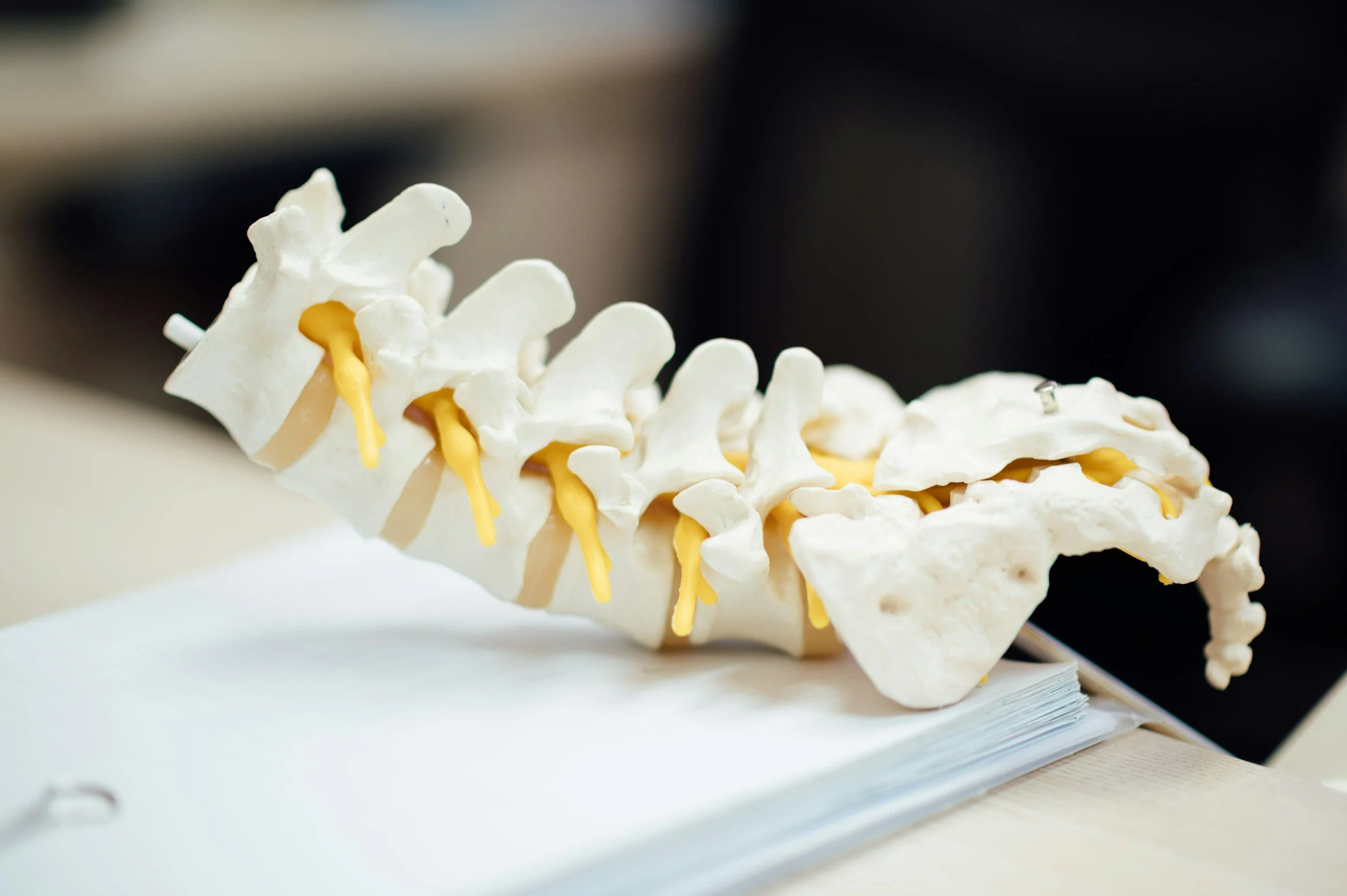
CONDITIONS TREATEDAcupuncture for Back Pain
ALSO TREATED:
Headaches & Migraine · Skin Conditions · Burnout & Fatigue · Anxiety · Pain & Injuries · Back Pain · Hay Fever
Back pain is one of the most common reasons people seek acupuncture — and one of the conditions that responds to it most consistently. Four out of five people experience back problems at some point, ranging from a sudden acute episode to a persistent ache that has been present for months or years. It affects sleep, concentration, movement, and mood. Common as it is, it doesn't have to simply be lived with.
What causes back pain?
Back pain rarely has a single cause. Poor posture, repetitive strain, lack of movement, and accumulated tension all contribute — often in combination. The lower back is particularly vulnerable, as it bears significant load throughout the day and is closely connected to the hips, legs, and pelvis. When something goes wrong here, the effects are rarely confined to one spot.
Conditions commonly treated include:
Lower back pain (acute and chronic)
Hernia-related complaints
Lumbago
Pain radiating to the legs and buttocks
Sleep disturbance and concentration issues related to back pain
A Chinese medicine perspective
In Chinese medicine, the lower back is closely associated with the Kidney system — not in an anatomical sense, but as a functional network that governs structural support, fluid regulation, and the body's deeper reserves. Chronic lower back pain, particularly when it worsens with fatigue or cold, is often linked to depletion in this system.
The Bladder channel runs the full length of the spine and into the legs, making it central to most back and sciatic complaints. Obstruction along this channel — whether from Cold, Dampness, or stagnation of Qi and Blood — can produce the characteristic stiffness, heaviness, or radiating pain many people describe.
Acute back pain following strain or injury is typically treated as local stagnation: circulation is impaired, muscles are in spasm, and movement becomes guarded. The approach differs from chronic cases, where the underlying deficiency or long-term pattern needs to be addressed alongside symptom relief.
This framework doesn't replace a structural assessment — it runs alongside it. Understanding both gives a more complete picture of what is maintaining the problem.
How acupuncture helps
Acupuncture relieves back pain by relaxing the muscles involved, improving local circulation, and reducing the nervous system's pain response. Many people notice meaningful relief within the first few sessions. But symptom relief is only part of the picture — the underlying cause is always examined and addressed as part of the treatment plan, to reduce the likelihood of recurrence.
Where back pain has led to secondary complaints such as sleep disruption or difficulty concentrating, these are factored into treatment as well. A distal needling approach is often used, meaning treatment frequently works through points away from the site of pain — something most people find more comfortable than expected.
What to expect
The first session includes a full intake: questions about the onset, location, and character of the pain, as well as general health, sleep, digestion, and stress levels. Pulse and tongue are assessed as part of the TCM diagnostic process.
Treatment itself is carried out on a treatment table. With Balance Method acupuncture, needles are typically placed in the arms, hands, legs, or feet rather than directly at the site of pain. This distal approach is based on the interconnection of meridians and is often effective even for long-standing complaints.
For acute back pain, two to three sessions in close succession is a common starting point. Chronic or recurring patterns typically require a longer course of treatment, with frequency reducing as the condition stabilises. Progress is reassessed regularly and the plan adjusted accordingly.
Frequently asked questions
How many sessions will I need?This depends on how long the problem has been present and how the body responds. Acute cases often improve within two to four sessions. Chronic back pain usually requires more, with a clearer picture emerging after the first three to four treatments.
Can acupuncture help if I have a hernia or disc problem?Yes, in many cases. Acupuncture does not repair structural damage, but it can significantly reduce the pain, muscle tension, and nerve irritation associated with disc-related complaints. Many people with diagnosed herniations find meaningful relief.
Do I need a referral from my GP?No. In the Netherlands, acupuncture can be booked directly without a referral. Treatment costs may be partially reimbursed through supplementary health insurance (aanvullende verzekering).
Need more information or want to make an appointment?
Book online for a session in the clinic in Amsterdam Centre. If you have questions about acupuncture or how acupuncture can help you, get in touch via email.