
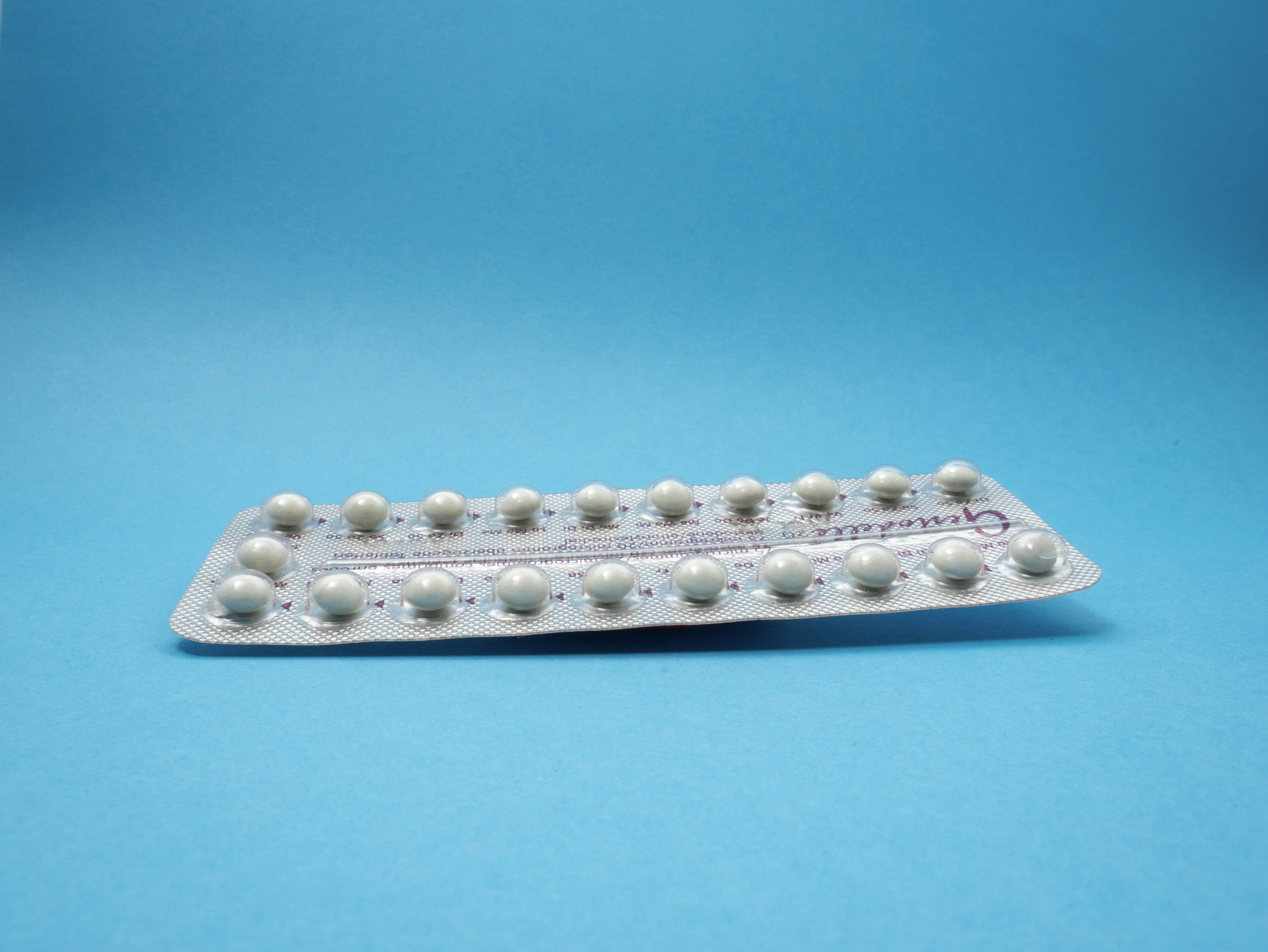
CONDITIONS TREATEDAcupuncture for Hormones & Cycles
ALSO TREATED:
Headaches & Migraine · Skin Conditions · Burnout & Fatigue · Anxiety · Pain & Injuries · Back Pain · Hay Fever
Hormonal complaints are rarely straightforward. Painful periods, irregular cycles, PMS, fertility concerns, and the transition into menopause all involve overlapping physical and emotional factors that shift over time. Acupuncture addresses these through a framework that looks at the whole pattern — not just the symptom presenting at that moment.
What hormonal and cycle-related conditions are treated?
A range of gynaecological and hormone-related complaints respond consistently to acupuncture:
Irregular or absent periods
Painful periods (dysmenorrhoea)
PMS and premenstrual mood changes
Endometriosis (supportive treatment)
PCOS and related cycle irregularity
Perimenopause and menopause symptoms
Fertility support (natural and alongside IVF)
Pregnancy-related complaints
Blood sugar irregularity and metabolic support
A Chinese medicine perspective
In Chinese medicine, menstrual health is governed by the interplay of Blood, Qi, and the Ren vessel — an extraordinary meridian that regulates the uterus and plays a central role in the hormonal cycle. When these are functioning well, the cycle is regular, relatively painless, and emotionally stable. When they are disrupted, a wide range of symptoms can follow.
Blood deficiency is one of the most common underlying patterns in gynaecological complaints. When Blood is insufficient, the cycle may be light, delayed, or irregular, and symptoms such as dizziness, poor sleep, and anxiety often accompany the menstrual complaint. The Heart and Liver both play a role here — the Heart governs Blood and its movement; the Liver stores Blood and is responsible for its smooth flow through the cycle.
Liver Qi stagnation is central to many presentations of PMS, painful periods, and cycle irregularity. When the Liver's coursing and spreading function is impaired — often by stress, emotional tension, or overwork — Qi and Blood stagnate, producing the cramping, breast tenderness, irritability, and mood shifts that characterise this pattern.
Cold in the uterus is another common factor in painful periods, particularly where the pain is relieved by warmth. This pattern often develops gradually and responds well to a combination of acupuncture and moxibustion.
For perimenopause and menopause, the transition is understood as a natural decline in Kidney Jing and the gradual withdrawal of the Tiangui — the reproductive essence that has governed the cycle since puberty. Hot flushes, night sweats, sleep disturbance, and mood changes are seen as signs of Yin deficiency and the loss of regulatory balance between Kidney Yin and Yang. Treatment focuses on nourishing the Kidney system and restoring that balance.
Balance Method acupuncture for hormonal conditions
The Stomach, Liver, Spleen, and Kidney channels are the most frequently involved in gynaecological treatment, alongside the Ren vessel where indicated. Through Balance Method acupuncture, these are treated via corresponding balancing meridians — points on the arms, wrists, and lower legs — without the need for abdominal or pelvic needling in most cases.
Treatment timing follows the menstrual cycle where relevant. Different phases call for different approaches — supporting Blood and Yin in the follicular phase, moving Qi and Blood around ovulation, and regulating the Liver in the premenstrual phase. This cycle-phase approach is used where appropriate and explained clearly as part of the treatment plan.
How acupuncture helps
Acupuncture supports hormonal regulation by influencing the hypothalamic-pituitary-ovarian axis, improving blood circulation to the uterus and ovaries, and reducing the inflammatory and nervous system components that drive conditions such as dysmenorrhoea and PCOS.
For painful periods, acupuncture reduces cramping and associated symptoms by moving stagnation, warming Cold, and improving uterine circulation. Many people notice a meaningful reduction in pain intensity within two to three cycles.
For fertility support, acupuncture is used to optimise the hormonal environment, improve uterine lining quality, and reduce stress — all factors relevant to conception. When used alongside IVF, treatment is timed to support the stimulation and transfer phases.
For perimenopause and menopause, acupuncture can reduce the frequency and severity of hot flushes, improve sleep, and support emotional stability during the transition. Results are often gradual but cumulative over a course of treatment.
What to expect
The first session includes a detailed intake covering cycle history, symptoms across the full cycle, relevant health background, stress levels, sleep, and digestion. Pulse and tongue assessment are central to TCM diagnosis and particularly informative in hormonal presentations.
Hormonal conditions typically require a course of treatment. Most people notice initial changes within two to three cycles. A full course usually runs eight to ten sessions, with frequency reducing as the pattern stabilises. For fertility support, treatment is planned around the cycle and coordinated with any concurrent medical treatment.
Frequently asked questions
Can acupuncture regulate an irregular cycle? Yes. Cycle irregularity is one of the conditions that responds well to acupuncture, particularly where stress, weight changes, or post-pill disruption are contributing factors. Results typically become apparent within two to three cycles.
How does acupuncture support IVF? Acupuncture is used alongside IVF to support the body's response to stimulation, improve uterine receptivity, and reduce the stress associated with the process. Treatment is timed to the protocol and coordinated with the clinic where relevant.
Can acupuncture help with endometriosis? Acupuncture does not treat endometriosis directly but can significantly reduce associated pain, regulate the cycle, and improve quality of life. It is used as a supportive treatment alongside medical management.
Is acupuncture safe during pregnancy? Yes, with appropriate point selection. Certain points are avoided during pregnancy and treatment is adjusted accordingly. Common pregnancy complaints treated include nausea, back pain, pelvic girdle pain, and fatigue.
Need more information or want to make an appointment?
Book online for a session in the clinic in Amsterdam Centre. If you have questions about acupuncture or how acupuncture can help you, get in touch via email.